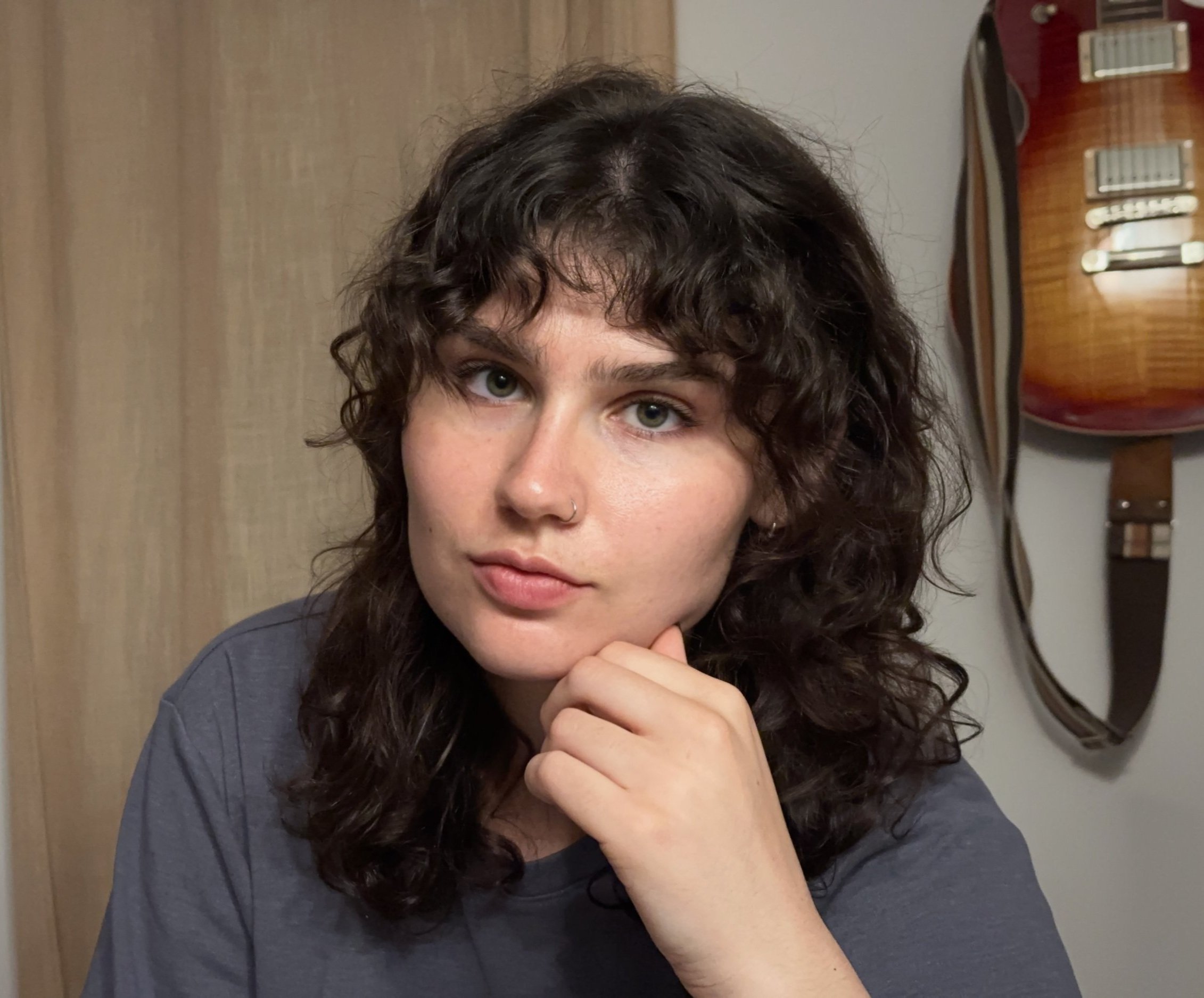
Hey! I’m Cass.
cls663 @ nyu dot edu ~ (she/they) ~ CV
I’m a PhD student studying Educational Communication and Technology at NYU Steinhardt. Inspired by my own interdisciplinary arts education, in my research I explore the design of creative learning materials and the impact of these materials on youth sociotechnical literacy and identity development. As of late, much of this research is focused on planning and decision-making scaffolds in creative computing project work. In my dissertation, I aim to design arts-based methods and materials for critical computing education. Across my various creative and intellectual pursuits I am inspired by critical theories that frame education, research, and the arts as tools for social change.
Before starting my PhD, I completed a BA in Interdisciplinary Art & Media Studies and a minor in Human-Computer Interaction from Carnegie Mellon University. Beyond my studies at NYU, I work as an arts educator at the Metropolitan Museum of Art and the Youth Women’s Christian Association of Manhattan. In my (limited) free time I am an artist. I use a wide range of interactive, sculptural, and lens-based media to discuss queerness, childhood, and science and technology. I also love taking pictures of things in ways that leave you confused about what those things are.
Research Projects
Ongoing

touchBase
a tangible programming language
2024 - present
RQ: How do multimodal design choices impact how students learn from and create with a tangible programming language for physical computing?
Keywords: tangible interfaces, computer science education, creative expression, visual representation, design thinking

Immersive Art Protection Plan
a body of art-based research
2022 - present
RQs: What would it look like for immersive art to be psychologically weaponized? How do we prevent this from happening?
Keywords: virtual reality, immersive art, futurism, fascism, dark patterns

NeuraFutures
an installation about brain-computer interfaces
2020 - present
RQs: What can science fiction help us understand about brain-computer interfaces? How can public art spaces be useful for scientific communication?
Keywords: brain-computer interfaces, science fiction, exhibit design, informal learning, ethics of technology
Previous
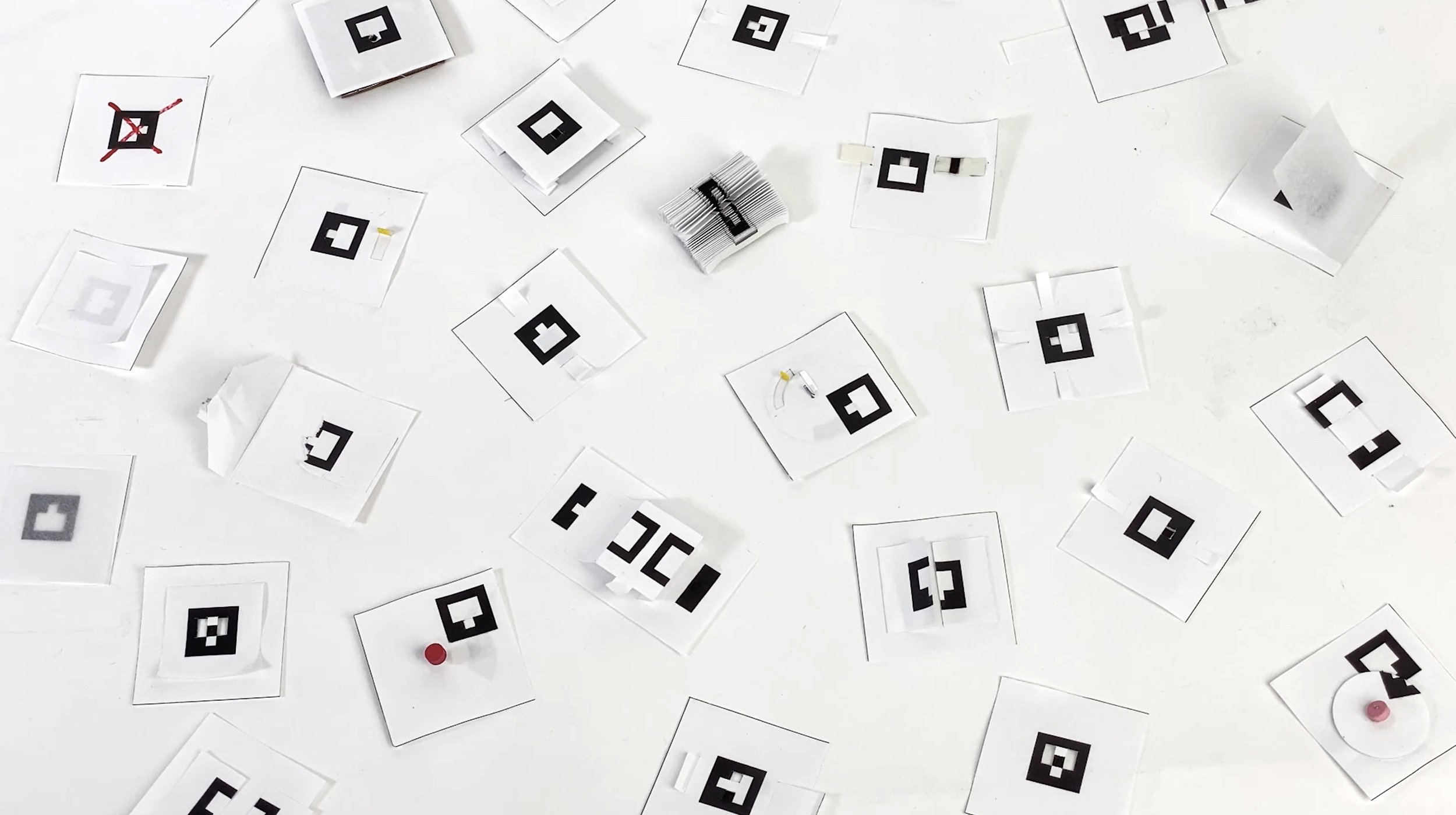
DynaTags
dynamic AR markers for enhanced tangible interactions
2021 - 2022
RQs: Can fiducial markers be dynamic? How would this extend the modalities of tangible experiences?
Keywords: tangible interaction, paper interfaces, shape changing, augmented reality, computer vision